Essential Elements for a Small Business Terms and Conditions Page
Essential Elements for a Small Business Terms and Conditions Page
If you’re a reader of our blog, then you’ll already know how important a Website is for your Small Business success. However, there is one essential page that is often overlooked… your terms and conditions!
While it might not be the most exciting page, it is one of the most important, and making sure that it includes all the right information is crucial.
But what is it that you need to include on your ‘Terms and Conditions’ page? Well, that’s just what we’re here to answer. Keep reading to find out how to write a ‘Terms and Conditions’ page that fully covers your business.
Rights and Responsibilities
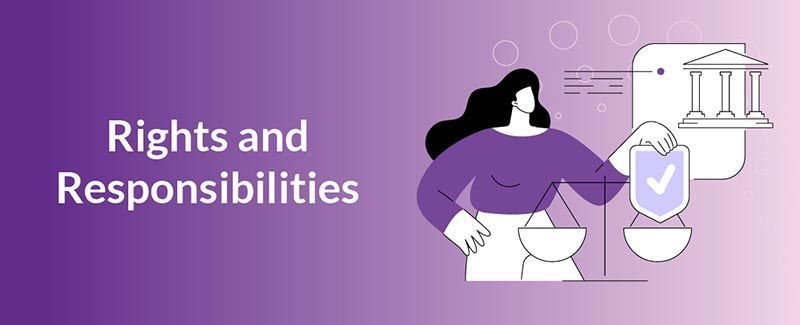
First and foremost you need to make sure that you clearly outline the rights and responsibilities of both the business and the Customers.
Clearly state all relevant information about permitted use, prohibited activities, and compliance with laws and regulations to
make sure that your business does not come into any sticky situations in the future.
Payment and Billing
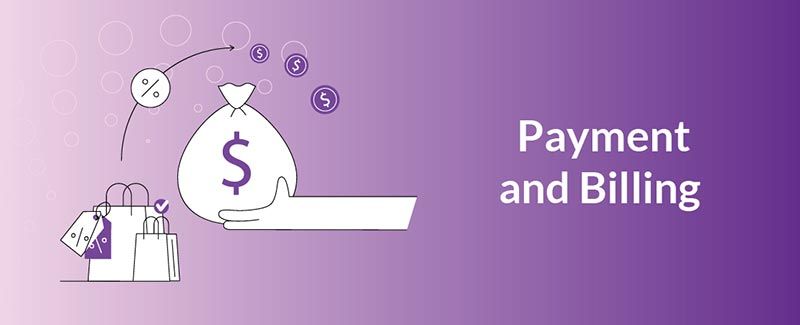
Let’s be honest, when it comes down to it, business is all about money, and that goes for both you and your Customers. That’s why it’s so important that you include detailed payment and billing information in your terms and conditions.
What information do you include? Payment terms, pricing, billing cycles, accepted payment methods, and any applicable taxes or fees.
This may seem like a lot, but remember your Customers are giving you their hard earned money, and they aren’t going to throw it at just anyone. By including all these details you
build Customer trust with your transparency, ensuring them that their money is in good hands.
These details also ensure that you won’t come up with any uncomfortable situations with a Customer about money in the future, as it is all spelled out at the start.
Privacy and Data Protection
In the digital world that we live in, consumers are more vigilant about their privacy and data than ever before. That’s why it’s imperative that you clearly outline your privacy and data policies on your ‘Terms and Conditions’ page.
Address how user data is collected, stored, and used, in compliance with privacy laws. Include information about cookies, data sharing, and user consent for data collection.
Stating all this information up front will increase Customer trust, leading to repeat business and a larger Customer base through world of mouth recommendations.
Termination and Suspension
As amazing as your business is, every brand experiences Customers wanting to terminate or suspend their services at some point.
As uncomfortable as this may be to talk about, it's essential to outline on your ‘Terms and Conditions’ page, so that when the time comes the
process can be completed as quickly as possible and without any bumps in the road for you or your Customers.

Updates and Modifications
Reserve the right to update, modify, or change the terms as needed. Specify how users will be notified about changes and the effective date of any updates.
This is a small detail, but one that is critically important.
It protects your business and allows you to change your processes based on you and your Customers’ changing needs.
Being upfront about these details will
prevent any Customer dissatisfaction when the time comes to make changes.
While often overlooked, a well-crafted ‘Terms and Conditions’ page is crucial for Small Businesses, providing legal protection, setting expectations, and establishing trust with Customers.
With a well thought out and easy-to-understand ‘Terms and Conditions’ page, you can focus on what really matters, expanding your Customer base and growing your business.


Your Website, Your Rules: How Inexpensive WordPress Hosting Empowers the Aussie Small Business Owner